Upgrade Your Home: Inspiring Concepts for Beautiful Home Additions
Transforming a home through thoughtful additions can significantly improve both its utility and curb appeal. From light-filled sunrooms that embrace the outdoors to spacious decks ideal for gatherings, the options are plentiful. Enlarging essential spaces, such as kitchens, encourages togetherness, while a garage addition can address storage challenges. Grasping key design principles and proper planning is critical. Yet, what actually encourages homeowners to welcome these upgrades? The answer is found in the extraordinary influence of thoughtfully designed home additions.
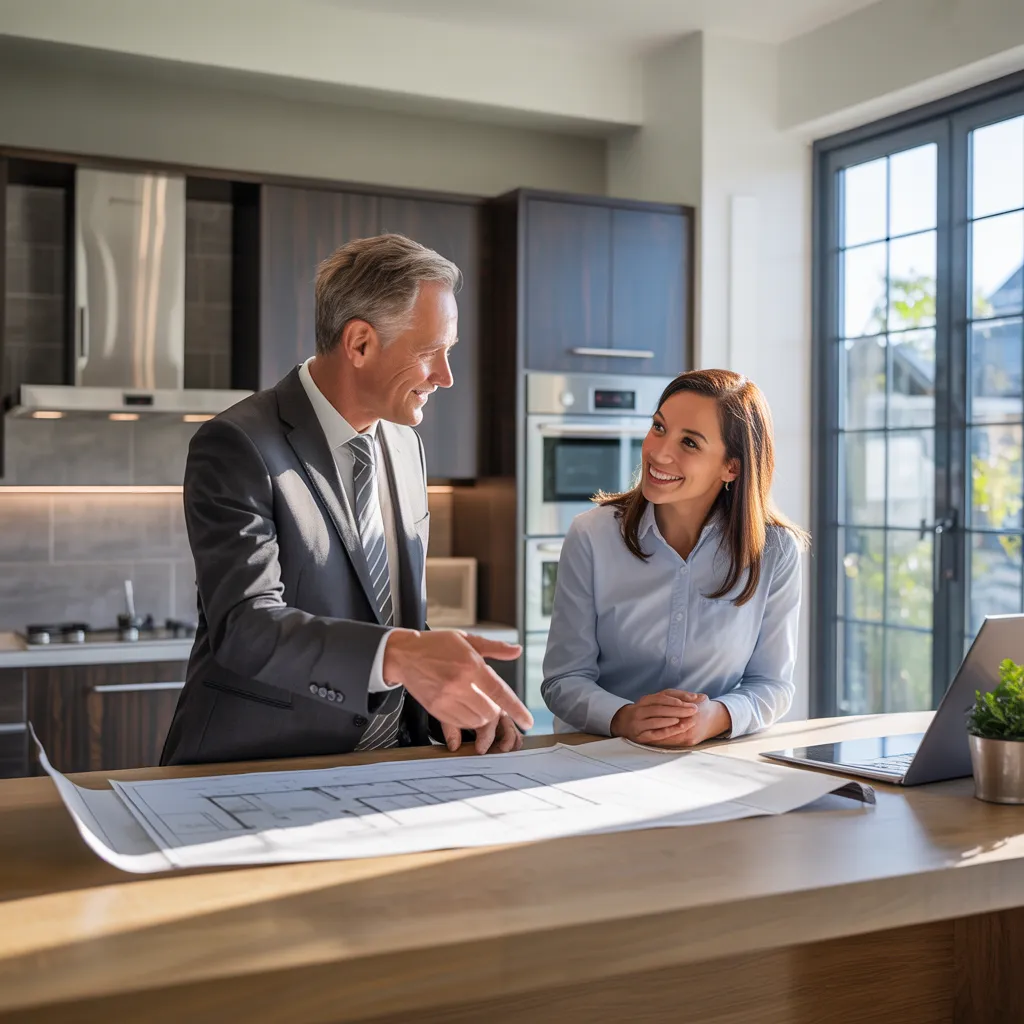
Uncover Leading Home Addition Ideas to Upgrade Your Space
Many homeowners actively pursue unique approaches to upgrade their homes, and examining well-known home expansion options can deliver meaningful changes. One widely favored option is the addition of a sunroom, which allows sunlight to flow inside while forming a tranquil area for rest. A similarly desirable addition is a deck or patio, extending the living area outdoors and perfect for entertaining.
Homeowners may also consider expanding their kitchens, creating a more useful and appealing environment. A garage extension not only provides additional storage space but can also serve as a workshop or hobby space.
For homeowners requiring extra sleeping spaces, expanding the bedroom space can deliver the privacy and comfort needed. Finally, converting attics or basements into livable spaces presents an opportunity for creative design while maximizing existing square footage. Every one of these approaches holds the promise of boosting both usability and aesthetic charm, ultimately converting a home into a more comfortable and enjoyable space.
How Home Additions Can Enhance Your Lifestyle?
Home additions can greatly enhance living space, giving families the space they need to grow and adapt. Additionally, adding to a home can result in greater property value, making it a wise financial investment. In addition, these improvements commonly encourage closer family relationships by creating shared areas for activities and gatherings.
Upgrade Living Space
Extending a home through home expansions can markedly enhance one's way of living by offering greater convenience and ease. For families, new rooms can support expanding needs, such as a playroom for children or a dedicated home office. A well-designed addition can establish a smooth connection between indoor and outdoor spaces, fostering leisure and connection. Additionally, including elements like open floor plans or large windows encourages a sense of openness and connection with nature. Upgraded home spaces also allow for customized design decisions, expressing personal tastes and preferences. Ultimately, home expansions not only improve current areas but also establish surroundings that support well-being and enrich daily life.
Improve Property Value
Putting money into residential expansions can greatly elevate a property's overall value, making it a smart investment choice. By increasing living space or introducing useful living zones, homeowners can attract potential buyers and increase resale prices. Additions like new bedrooms, contemporary kitchens, or multipurpose living areas often yield significant returns on investment. Additionally, improvements such as sunrooms or outdoor decks not only improve aesthetics but also appeal to lifestyle desires, further boosting desirability. A well-planned addition can convert a property into a higher-value investment, reflecting the current market trends and buyer preferences. Ultimately, strategic home additions offer an intelligent method of enhancing overall property value while elevating the quality of life for present homeowners.
Strengthen Family Bonds
A carefully planned addition can substantially strengthen family bonds by establishing spaces that foster interaction and togetherness. Expansive designs, such as family rooms or spacious kitchens, act as hubs for shared activities, nurturing communication and togetherness. Dedicated areas for hobbies or playrooms give children a place to interact, while adults can enjoy nearby social spaces. Furthermore, including outdoor living spaces, like patios or decks, permits families to congregate in a relaxed environment. These enhancements not only support everyday connections but also establish a backdrop for cherished gatherings and celebrations. At their core, thoughtfully designed home additions convert living environments into nurturing spaces that strengthen family ties, improving overall quality of life.
Important Design Elements to Elevate Your Home Addition
As homeowners plan a home addition, integrating essential design elements can greatly enhance both aesthetics and functionality. Key elements include natural light, which can be achieved through large windows or skylights, producing a warm and welcoming environment. Additionally, an open floor plan promotes seamless flow between existing and new areas, creating a feeling of cohesion.
Incorporating harmonious materials and color schemes ensures the new addition blends seamlessly with the existing structure, preserving architectural integrity. Careful arrangement of furnishings and fittings maximizes usability, ensuring the area serves everyday needs. Exterior links, such as a patio or deck, may expand living spaces and promote outdoor activities. Finally, eco-conscious designs, featuring adequate insulation and green materials, promote enduring cost reductions and environmental stewardship. By focusing on these essential design elements, residents can craft a harmonious and stunning addition that enriches their home life.
Effectively Plan Your Home Addition Project
Effective planning is vital for a well-executed home addition project. Homeowners should begin by establishing their objectives, whether it's expanding their living area, enhancing functionality, or increasing property value. Creating a solid vision serves to navigate the design and construction process. Additionally, reviewing regional zoning ordinances and construction codes is necessary to secure conformity and sidestep potential obstacles.
Creating a roadmap that outlines every stage of the project supports ensuring direction and accountability. Homebuilders should also consider engaging professionals, like designers or contractors, for expert advice and to streamline the project.
Furthermore, prioritizing team member communication builds a collaborative environment and handles concerns promptly. As a final consideration, considering long-term needs can help create an addition that stays practical and useful for years to come. By adhering to these guidelines, homeowners gain the tools needed to handle their home addition projects more effectively and decisively.
Planning Your Home Addition Budget: Key Tips
Budgeting for a home addition requires careful consideration and planning to prevent unforeseen costs. Homeowners ought to start by establishing a practical budget that encompasses all components of the project, including permits, materials, labor, and unforeseen expenses. It is advisable to allocate an extra 10-20% of the overall budget for contingencies.
Researching and comparing costs from various contractors can offer useful information and assist in reaching well-informed choices. Additionally, homeowners should prioritize their needs versus wants, ensuring that essential features are included while remaining within budget.
Establishing a detailed timeline can aid in aligning expenses with development milestones, reducing monetary pressure. Additionally, working with a financial expert or a building expert can shed more light on potential costs and financing options, guaranteeing that the finances stay website controlled throughout the home expansion project. This thoughtful strategy helps in achieving a effective and economically viable home expansion.
Inspiring Real-Life Home Addition Transformations
Stunning residential addition makeovers highlight the impressive capacity of living spaces. A perfect illustration is a quaint bungalow that experienced a remarkable transformation with a clean-lined, modern expansion. By incorporating a spacious culinary and dining zone, the residents elevated their culinary experience while crafting a inviting communal area for family and friends.
One notable transformation showcases a small residence that extended skyward with a appealing loft, maximizing space while introducing a cozy reading nook. This ingenious approach not only enhanced practicality but also infused character into the home.
In the end, a ranch-style suburban residence adopted a current look with a floor-to-ceiling glass sunroom, bathing the interior in warm natural light and delivering magnificent vistas of the rear garden.
These real-life transformations illustrate the numerous opportunities for residential additions, inspiring homeowners to envision their own unique enhancements and transform their living spaces.
Commonly Asked Questions
What Permits Are Required for a Home Addition Project?
When undertaking a home addition project, one typically needs a building permit, zoning clearance, and in some cases electrical or plumbing permits. Building codes and regulations vary by location, so checking with your municipal office is crucial to confirm full compliance with applicable regulations.
What Is the Typical Timeline for Completing a Home Addition?
A typical home addition usually takes anywhere from two to six months to complete, depending on factors such as permits, size, complexity, and weather conditions. Thorough planning and an efficient contractor can greatly affect the overall timeline.
Can I Continue Living in My Home Throughout the Addition Process?
Absolutely, homeowners can frequently remain in their homes during the construction addition process. However, factors like the scale of the project, work area, and noise levels may influence comfort and accessibility, calling for temporary arrangements or modifications during construction.
What Are Common Mistakes to Avoid When Planning an Addition
Frequent errors to watch out for during addition planning encompass failing to accurately estimate expenses, ignoring necessary building permits, overlooking structural integrity, failing to assess future needs, and failing to seek expert guidance. Thorough planning ensures a more seamless process and superior outcomes.
How Do I Find the Right Contractor for My Project?
To select the right specialist, it is important to review credentials, examine testimonials, and establish open communication. Reviewing various quotes and evaluating previous work can help determine trustworthiness and alignment for the specific residential expansion project.